






|
Twenty Years ago, today's detector user would have had to carry a box of |
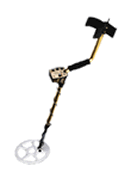 |
Looking at an average Top of the Range Detector. The facilities it has to offer are;
- Depth penetration sufficient to locate coins and items smaller than a 5p several inches below the surface of the earth.
- The ability to discriminate, by separating ferrous and non-ferrous signals. Thus, it is possible to tune out the signals received from iron and iron based metals, so that the detector will indicate only objects made from lead, brass, zinc, copper aluminium etc etc.
- The ability to tune out the effects of the natural minerals in the ground, so that the signal penetrates it as easily as through air. Detector designers and manufacturers might be horrified to hear their products described in such basic terms. It's a little like describing a 'Stradivarius' as Just a fiddle.
Nevertheless, these are the basic features of good metal detectors, and the nuances of their capabilities are discovered only by the skilful and experienced user after many hours of on site trial and experimentation.
There are many makes and models of machine on the market. The majority being of British or American manufacture. There are also kits and plans available for those of an adventurous nature who wish to build their own. Some machines are simple to operate, although not deep-seeking. Other machines appear to be very complex but extremely sensitive in the hands of the technically minded or experienced user.
The choice of detector is all important. It is always recommended to those showing an interest in the hobby that they should talk to owners and try out a range of machines, thus avoiding the mistake of laying out hard-earned cash hastily on something which might not suit their particular needs.